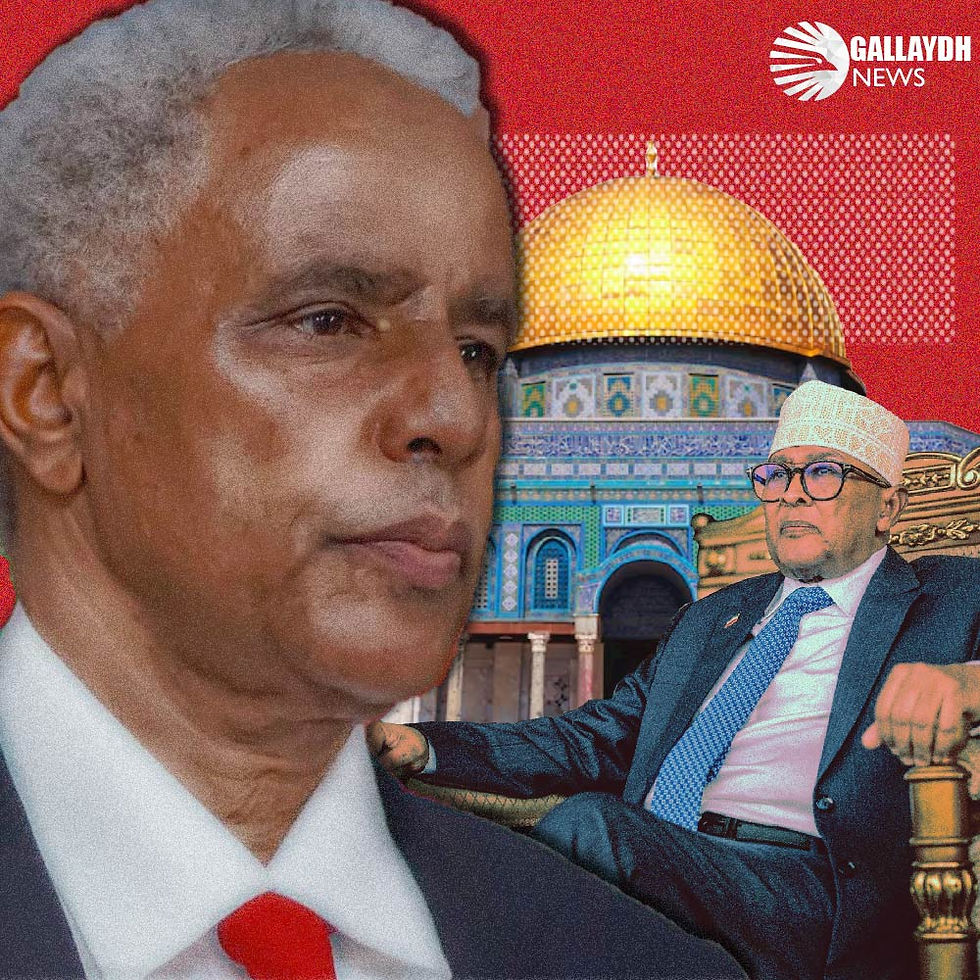
Why Israel's recognition of Somaliland is controversial
- Farah Lamane
- Dec 31, 2025
- 2 min read
Israel’s decision to recognise Somaliland has triggered regional backlash, diplomatic debate, and renewed scrutiny of sovereignty, security, and geopolitics in the Horn of Africa.
Original Authors: Wedaeli Chibelushi, Ameyu Etana (BBC Afaan Oromoo), Farah Lamane (BBC Somali)
Original Publication:BBC News
Date:30 December 2026
Curated Excerpt (Fair Use)
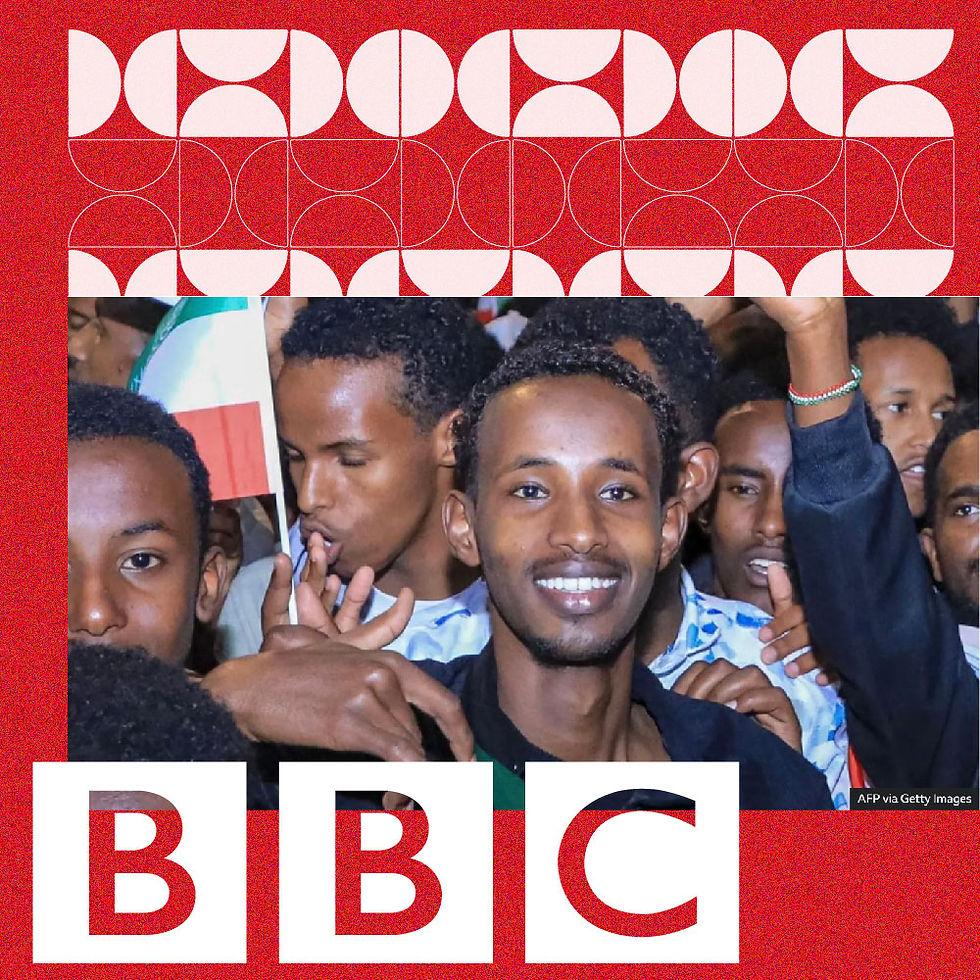
Israel has taken the unprecedented step of recognising Somaliland as an independent state, becoming the first country to do so more than three decades after Somaliland declared independence from Somalia in 1991. The move was welcomed by Somaliland’s leadership as a “historic moment,” but was swiftly rejected by Somalia, which described it as an attack on its sovereignty.
The decision has drawn widespread condemnation from regional and international actors including Turkey, Saudi Arabia, Egypt, the African Union, China, and several Middle Eastern states. Many critics argue that recognising Somaliland undermines Somalia’s territorial integrity and risks setting a precedent that could encourage separatist movements elsewhere in Africa.
At the United Nations Security Council, the United States defended Israel’s decision, contrasting the international reaction with the lack of emergency sessions following the recognition of a Palestinian state by several UN members earlier in the year. Israel, for its part, insisted that recognition was not a hostile act toward Somalia and did not rule out future dialogue.
Somaliland, a former British protectorate, merged with Italian Somaliland in 1960 to form the Somali Republic. Following years of repression and conflict under Siad Barre’s regime, Somaliland withdrew from the union in 1991. Despite lacking international recognition, it has since maintained relative peace, functioning institutions, its own currency, and regular elections.
Analysts suggest Israel’s recognition is driven by strategic considerations in the Red Sea region, including countering Iranian influence and monitoring security threats linked to Yemen’s Houthi movement. Israel has pledged cooperation with Somaliland in sectors such as agriculture, health, technology, and the economy.
The move has also reignited debate over whether Somaliland’s stability and self-governance should outweigh longstanding international commitments to Somalia’s territorial unity. While some countries sympathetic to Somaliland, including the UAE and Ethiopia, have remained publicly cautious, observers note that Israel’s decision could reshape diplomatic calculations across the Horn of Africa.
About the Authors
The BBC article was produced by journalists from BBC News, BBC Somali, and BBC Afaan Oromoo, combining regional reporting, diplomatic analysis, and international perspectives on developments in the Horn of Africa.
This is a curated article from an external publication. All views expressed belong to the original author. Gallaydh.com curates external work to encourage informed discussion and critical engagement.