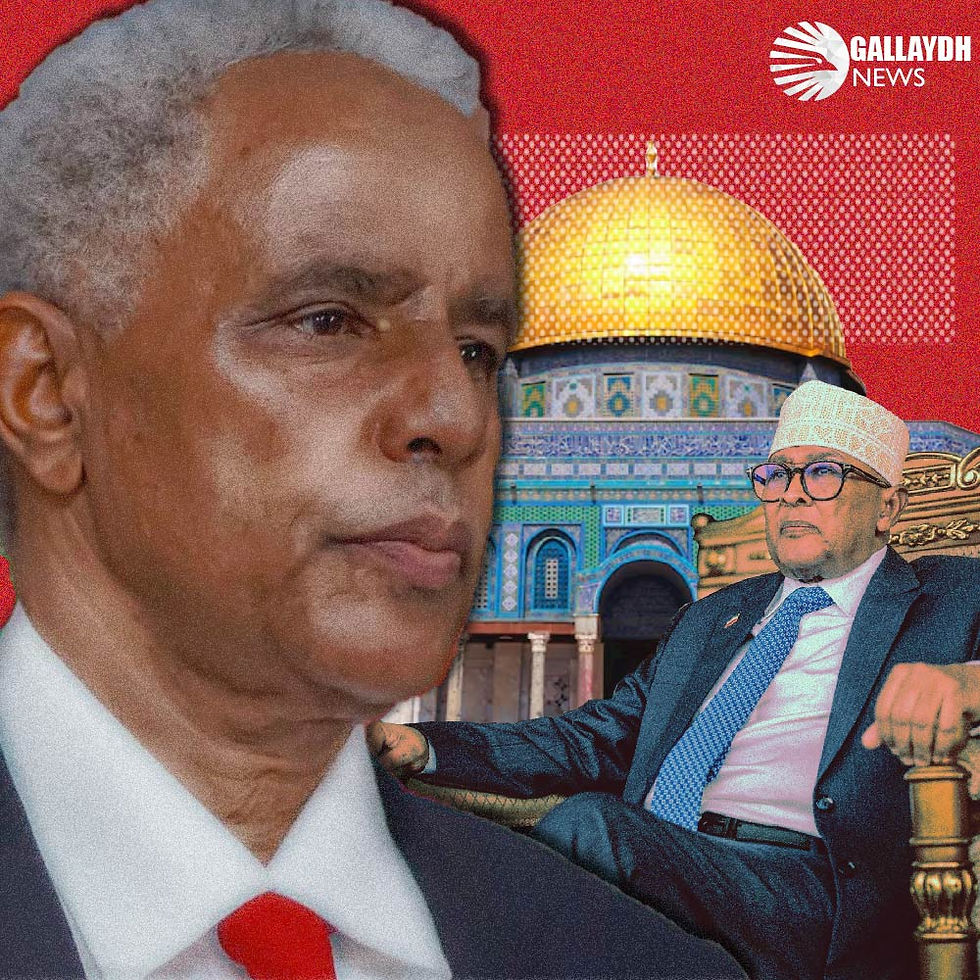
Top Somaliland Official Defends Israel Ties Amid Arab Backlash
- Mohammad Mansour
- Jan 9
- 2 min read
Original Author: Mohammad Mansour
Original Publication: Al Jazeera
Date: January 8, 2026
Curated Excerpt (Fair Use)
In an interview with Al Jazeera Mubasher, Hersi Ali Haji Hassan, chairman of Somaliland’s ruling Waddani party, strongly defended Hargeisa’s decision to normalize relations with Israel, arguing that decades of diplomatic isolation left Somaliland with no alternative path to international recognition.
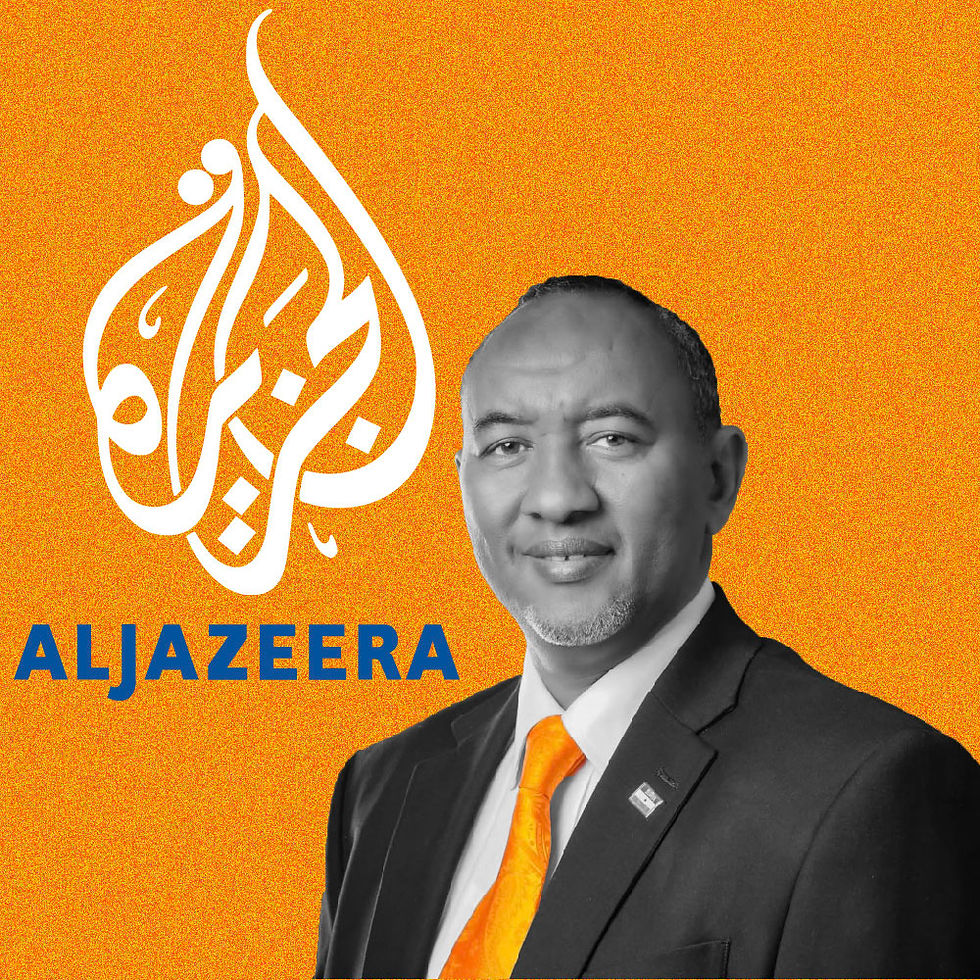
Responding to condemnation from Somalia, the Arab League, and the Organisation of Islamic Cooperation, Hassan dismissed the backlash as hypocritical, noting that many Arab and Muslim-majority states already maintain political and economic ties with Israel. “We are in a state of necessity for official international recognition,” he said, adding that Somaliland would welcome recognition from any country that acknowledges its “existential right.”
Hassan rejected claims that Arab opposition should influence Somaliland’s foreign policy, stating that the region has functioned as an independent state for 34 years without meaningful engagement or support from Arab institutions. On concerns that Israel’s recognition could lead to a military presence in Somaliland, Hassan declined to speculate, saying the relationship is currently diplomatic and economic, and that questions about military cooperation were premature.
When challenged over the Gaza war and accusations against Israel, Hassan drew a distinction between political engagement and religious solidarity, arguing that Somaliland’s priority remains securing international legitimacy rather than aligning itself with regional ideological conflicts.
About the Author
Mohammad Mansour is a journalist with Al Jazeera covering Middle East and Horn of Africa politics, with a focus on diplomacy, regional power shifts, and conflict dynamics.
This is a curated article from an external publication. All views expressed belong to the original author. Gallaydh.com curates external work to encourage informed discussion and critical engagement.