Somalia's Aggressive Campaign to Derail Somaliland's International Recognition

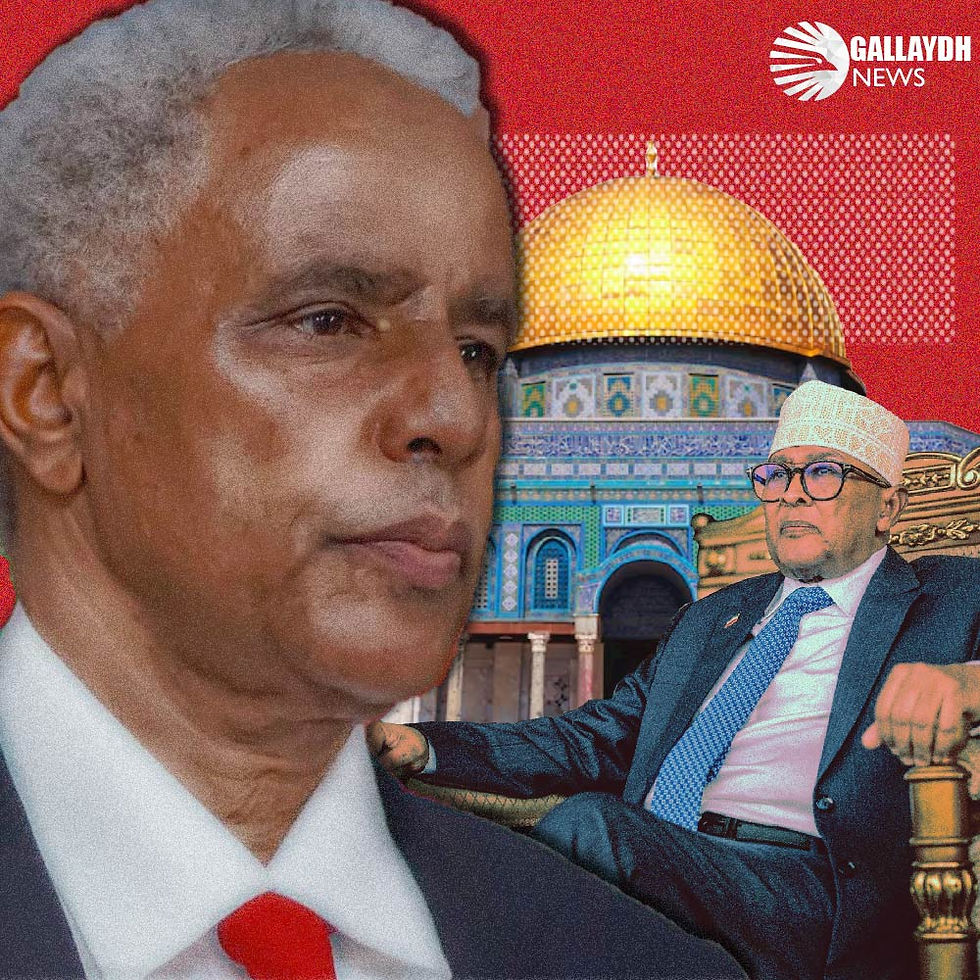
Across the diplomatic corridors of the Middle East and the media landscape of the Arab world, a high-stakes political offensive is quietly underway. Orchestrated by the Federal Government of Somalia, this sweeping campaign is being spearheaded by the State Minister for Foreign Affairs, Ali Mohamed Omar, widely known as Ali Bal'ad. His mission is clear and singular in its focus: to mobilize the Arab world into a unified front against the growing international recognition of Somaliland.
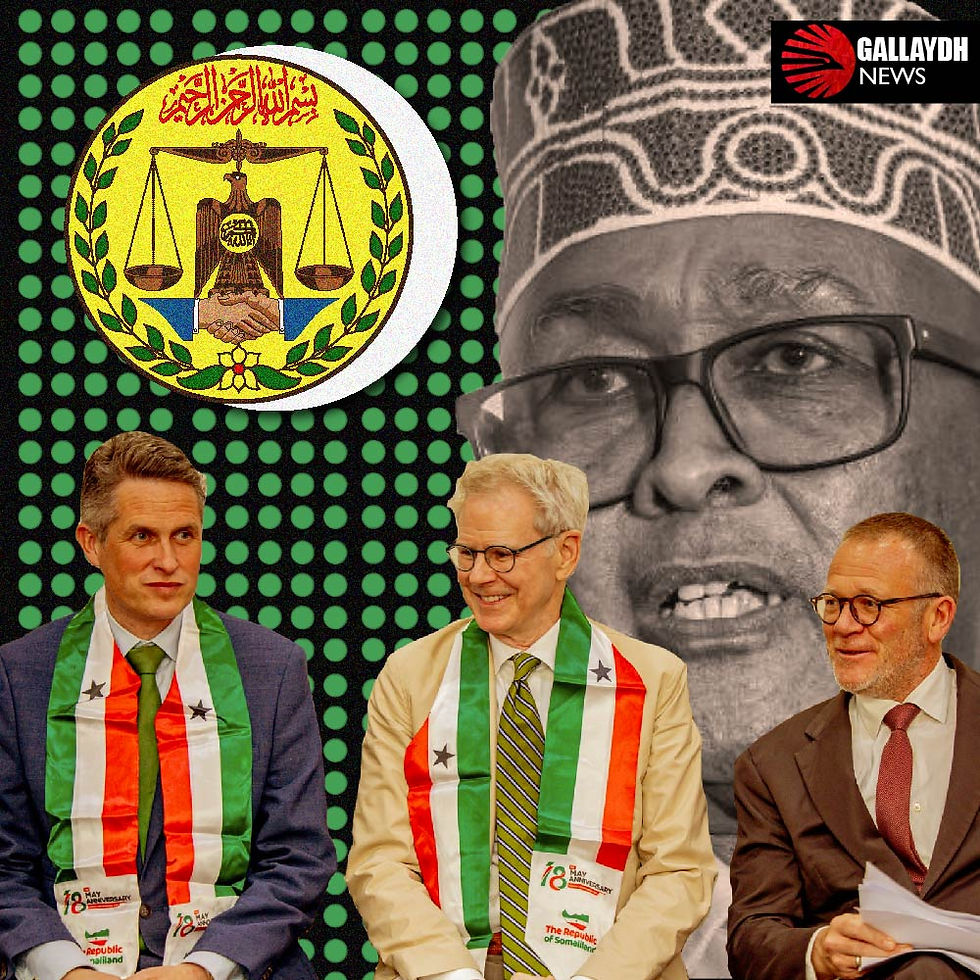
This aggressive diplomatic push follows the geopolitical tremor of December 2025, when the State of Israel officially recognized the Republic of Somaliland as an independent nation. The unprecedented move, which included the exchange of ambassadors and the opening of a Somaliland embassy in Jerusalem, sent shockwaves through Mogadishu. For the Somali federal government, the Israeli decision represents an existential diplomatic threat, sparking deep anxieties that it could trigger a domino effect of international recognition for Hargeisa.

The Media Offensive: A Call to Action in Asharq Al-Awsat
The latest phase of Bal'ad’s strategy was unveiled this week during a highly sensitive interview with the prominent Saudi Arabian newspaper, Asharq Al-Awsat. Speaking directly to the Arab public and its leadership, the State Minister openly pleaded with Arab capitals to leverage their political and diplomatic weight to prevent Somaliland from capitalizing on its newfound momentum.
"Our objective extends beyond merely countering Israel's recognition," Balcad told the publication. "Our primary goal is to definitively stop other nations across the globe from following that same path."
He stressed that verbal condemnations are no longer sufficient. Bal'ad urged the Arab world to combine strategic maneuvering with hard diplomatic power to encircle Somaliland. Beyond the Middle East, the State Minister confirmed that Mogadishu has opened direct lines of communication with the administration of United States President Donald Trump to formally register its opposition. He noted that the Somali government is closely monitoring factions within the US Congress that are actively lobbying to shift Washington’s historical policy toward Somaliland.
The Amman Summit: Demanding Economic Sanctions
Bal'ad’s efforts extend far beyond media interviews, venturing into the realm of direct economic warfare. During the Arab League Summit held in Amman, Jordan, in June 2026, the State Minister delivered a forceful address calling for severe economic restrictions against Somaliland.
He implored member states to completely deny Somaliland access to their territories, maritime ports, corporate networks, and financial systems. The objective was to eliminate any avenues that could facilitate foreign direct investment or diplomatic normalization with Hargeisa.
"The Somali government respectfully urges all Arab nations to ensure their territories are not utilized to finance or legitimize this separatist faction," the Minister declared from the podium in Amman.
This specific demand amounts to a call for a de facto economic blockade. It signals a major escalation in Mogadishu's strategy, shifting from mere political protests to an active campaign of economic isolation. The move is transparently aimed at crippling Somaliland’s expanding economy, which relies heavily on attracting international investment to strategic infrastructure projects like the Berbera Port.
Geopolitical Anxiety: Military Bases and Shifting Alliances
Another profound source of anxiety for the government in Mogadishu is the persistent intelligence surrounding Israel's strategic military ambitions in the Horn of Africa. Regional intelligence reports suggest that Israel has already established a covert intelligence outpost at the Berbera International Airport in Somaliland. This development has reportedly infuriated key regional players, including Djibouti, Egypt, Saudi Arabia, and Jordan.
Addressing these concerns, Bal'ad issued a stern warning that Somalia will take any attempt by a foreign nation to establish a military or intelligence base on "Somali soil" without explicit federal authorization as a grave violation of its sovereignty. He cautioned that such actions pose a severe threat to the national security of Somalia and the broader stability of the Horn of Africa.
In a contrasting pivot, the Minister used the platform to shower praise on Turkey. He lauded Ankara for its pivotal role in dismantling the controversial Memorandum of Understanding signed between Somaliland and Ethiopia in January 2024. This specific commendation highlights just how heavily the Federal Government relies on its strategic allies to neutralize any diplomatic breakthroughs achieved by Hargeisa.
The Future of a Fragmented Region
The relentless statements and regional tours conducted by Ali Bal'ad expose a new political reality. Somalia has acutely felt the diplomatic weight of Israel's recognition and the proactive foreign policy maneuvers of Somaliland's President Abdirahman Irro.
In a recent interview with The Economist, President Irro confidently stated that Somaliland expects several other nations to announce their official recognition in the near future, though he carefully refrained from naming the prospective countries.
A clear dichotomy has emerged in the region's geopolitical landscape. While Somaliland is aggressively capitalizing on the complex security dynamics of the Red Sea and the Horn of Africa to forge new, pragmatic alliances, Somalia is weaponizing international law, the Arab League, and the threat of economic sanctions to seal off Hargeisa's diplomatic pathways.
These two diametrically opposed campaigns are deepening the political crisis in the Horn of Africa. As both sides escalate their respective strategies, they are fundamentally altering the diplomatic architecture of the entire region for years to come.