


Open Letter: Guidance and Direction Regarding the Rising Economic Burden
Since the onset of the conflict in the Middle East, specifically the blockade of the critical Strait of Hormuz, the world has been plunged into deep anxiety and immense economic pressure. Global oil trade has faced a significant contraction following the disruption of approximately 20 million barrels per day that typically transit through this vital waterway. This shift has had a profound negative impact on the movement of goods, industrial production, and the daily lives of communities worldwide.

Nations across the globe, in an effort to manage this mounting pressure, have taken various urgent measures. For instance, developed countries such as the United States and Japan have released their strategic petroleum reserves. Other nations have slashed fuel taxes and provided subsidies for energy costs that directly impact low-income families, public transportation, and the logistics of essential domestic goods (diesel). These countries include India, Kenya, Thailand, and Ethiopia. Such actions have contributed to mitigating the crisis within those states and serve as clear examples of responsible governance—demonstrating that true leadership is measured by its ability to protect the vulnerable during times of global scarcity.
It is a profound misfortune that our government has failed to take effective steps to curb rising fuel prices, rampant inflation, and the spiraling exchange rate. Within the Republic of Somaliland, the price of a barrel of petrol has reached $215, while the price of a barrel of diesel ranges between $165 (low diesel) and $175 (high diesel). When totaling taxes and storage service fees, a single barrel of petrol carries a burden of $22.10, while diesel is taxed at $19.22 per barrel. The government’s lack of preparation and poor strategic foresight is evidenced by the fact that no tax relief has been granted to fuel to this day, nor has a comprehensive plan been introduced to alleviate the economic weight crushing the people of Somaliland.
Therefore, to shield our nation from this phase and prepare for future challenges, it is essential to adopt a clear and transparent strategy. Both the government and the public must take the following steps:
Immediate Tax Relief: The government must implement urgent tax cuts on imported fuel and provide subsidies for the fuel used by public transport and the vehicles transporting essential commodities.
Implementation of Austerity: The government is obligated to temporarily suspend all non-essential expenditures (austerity measures). These funds should be redirected toward critical areas, including fuel subsidies and the implementation of the measures mentioned above.
Green Energy Investment: The government must create rapid regulations and frameworks to accelerate investment in green energy, such as solar and wind power. This is vital to reducing our near-100% dependence on fossil fuels.
Food Security: In this critical phase, the government must prioritize domestic food production by encouraging small-scale farmers, developing irrigation systems, harvesting rainwater during the rainy seasons, and marketing local produce.
Transformative Livestock Policy: The government should adopt a policy that transforms our livestock management. Transitioning to modern enclosures and feedlots will increase the quantity of our livestock while significantly improving the quality of meat and dairy production.
Rural and Household Farming: Our citizens should focus heavily on rural agriculture. Additionally, families should utilize their homes to plant short-cycle crops that mature quickly.
Support Local Products: Families are encouraged to use local produce to reduce the impact of inflation on imported food. Conserving our household expenses by consuming local food also limits the outflow of hard currency from our country.
Culture of Thrift: The public must adopt better habits of saving and thrift. This includes using public transportation, carpooling for short trips, conserving energy at home, and prioritizing the purchase of locally made goods.
In conclusion, the greatest lesson to be learned from this crisis is that energy and food security are the backbone of a nation’s economic stability. Therefore, I call upon both the government and the people to deeply prepare so that we may possess true resilience in the face of the difficult global circumstances we have entered. Ultimately, a nation can only thrive through sound preparation, hard work, and wise leadership.
Praise be to Allah.
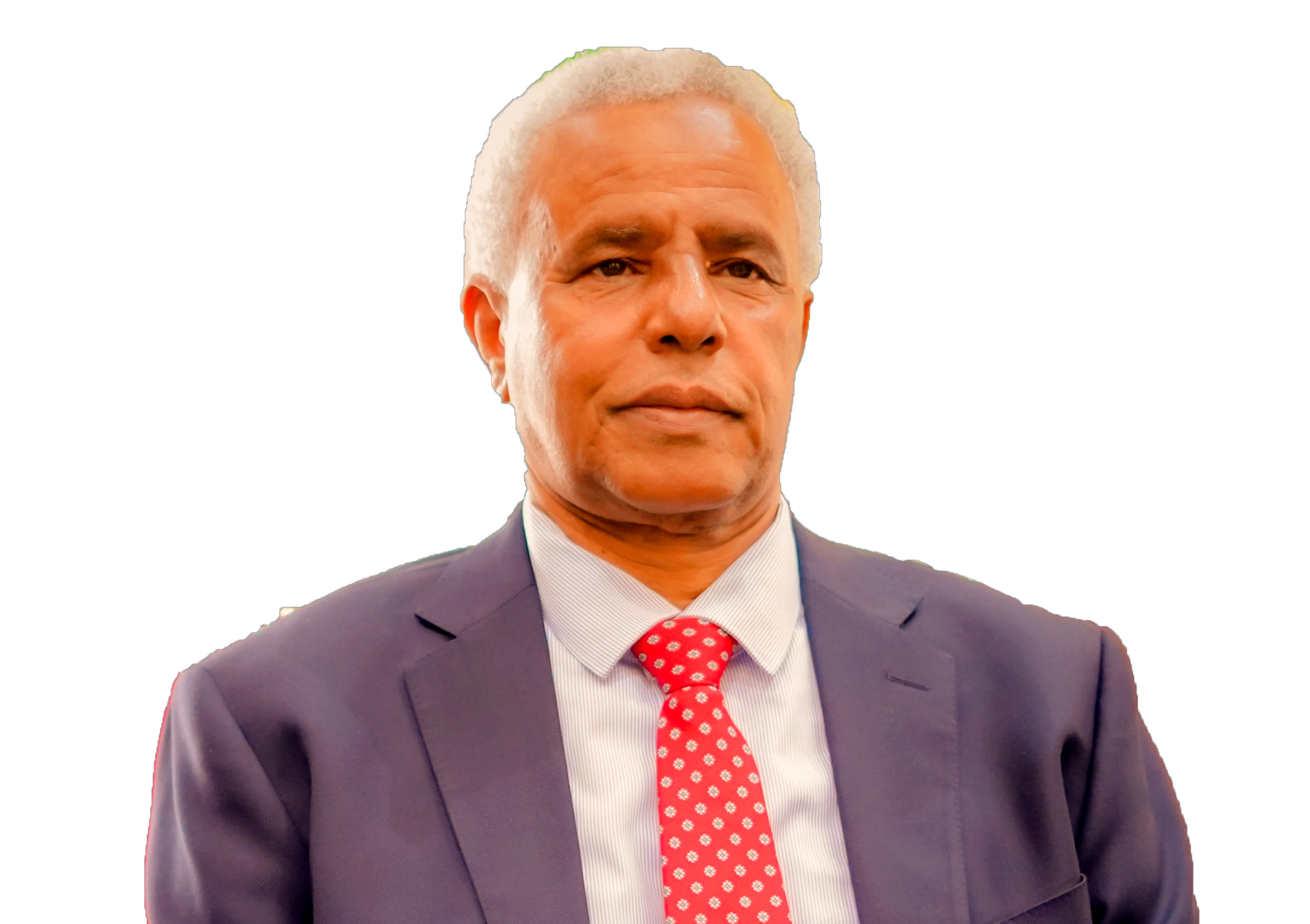
Hon. Mohamoud Hashi Abdi
Chairman of the KAAH Party


