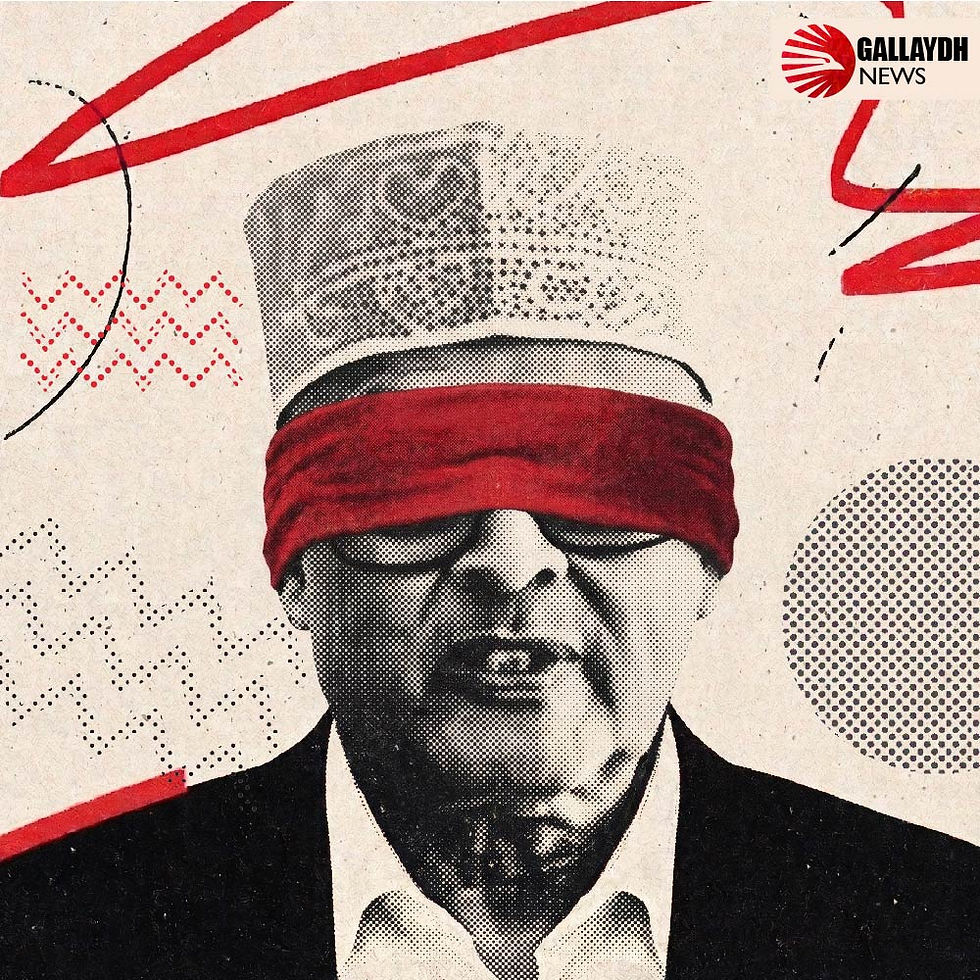
Justice Deferred: A National Appeal from Awdal
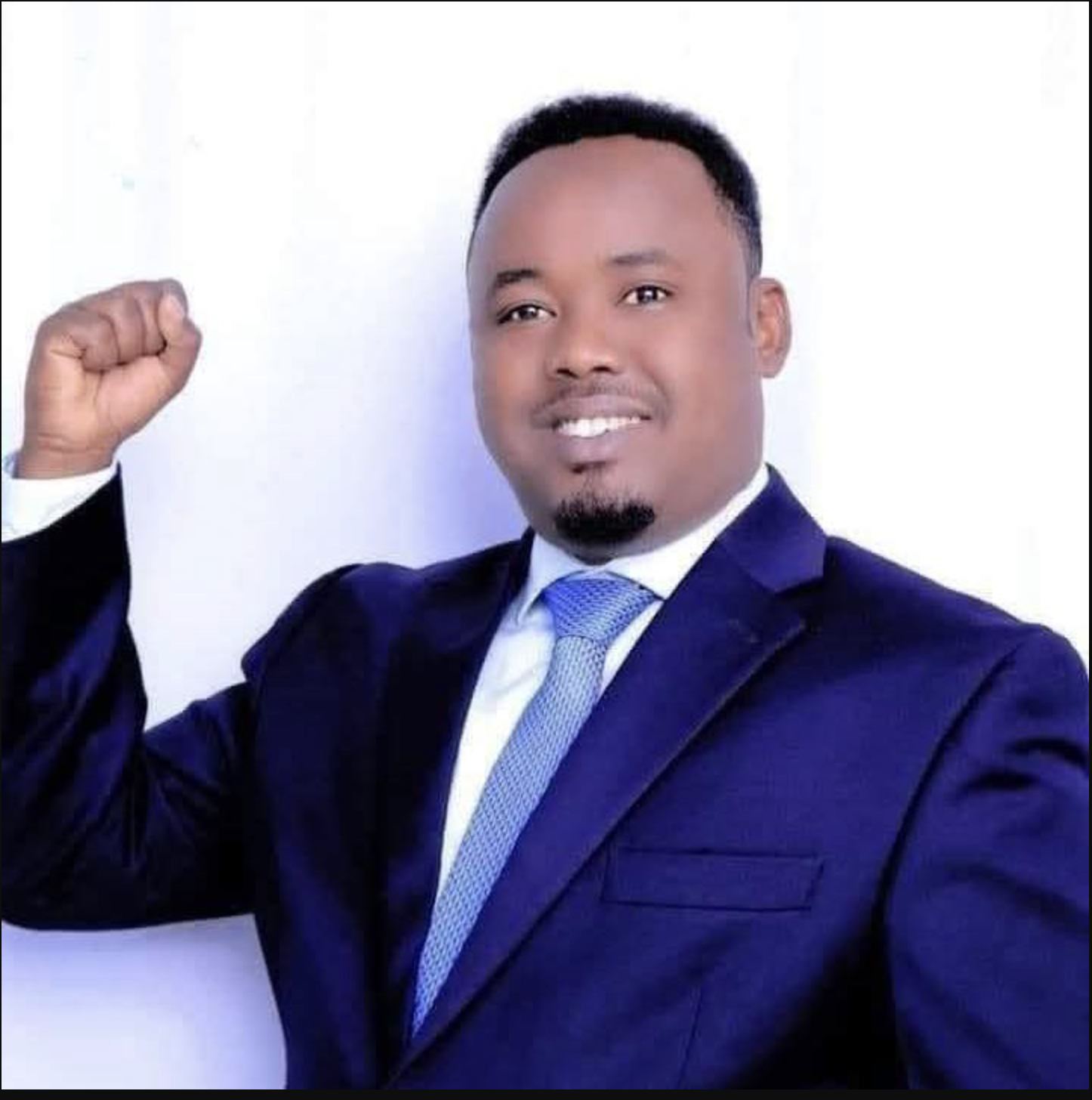
This open letter by Somaliland MP Maxamed Abiib articulates the long-standing grievances of the people of Awdal, calling for an inclusive national dialogue, equitable power-sharing, and collective reform within Somaliland before further delay produces irreversible division and loss.
MP Maxamed Abiib.
Our demand is simple and unequivocal: Somaliland must be genuinely shared, its power structures corrected, and justice applied with fairness and equality.
This is not a matter bound by time, season, or calendar year. It is a standing claim, a continuing grievance, and an unresolved question that remains open until it is properly addressed. It is a call for justice that seeks no reward and harbors no hostility toward any group, yet one that cannot be postponed beyond the present moment. It is our rightful claim, deliberately ignored for far too long, and one from which we will not retreat.

This position is held by the people of Awdal in their entirety, young and old alike, wherever they may reside. It is a collective will that grows stronger with each passing day and every delay. If left unaddressed today, it risks producing consequences that will benefit no one.
This issue is not new. It has been ignored for decades, fragmented, diluted, and repeatedly reduced to a transactional pathway for access to positions and political favors. That path has reached its end. Today, a new generation has emerged, one that no longer accepts inherited silence or outdated formulas. It is a generation that has paid a visible price, losing lives in broad daylight, repeatedly, over this unresolved question.
To amplify their voice, to serve as their microphone, and to represent their interests and aspirations so that they may receive their rightful place within Somaliland is a responsibility bestowed upon me by God. I am prepared to carry this duty to the final moment of my life.
I have personally carried this cause since 2010, and before me it was championed by others, including men who were among the founders and builders of this nation.
Those who are unable to confront this argument, or who inwardly wish for it to fail or never bear fruit, resort to distortion and deliberate misrepresentation. They seek to dilute a just and principled demand by disguising their resistance behind labels and distractions.
They will approach you under the guise of academics, analysts, politicians, and commentators. In truth, they are intellectually lazy and profoundly short-sighted. They grasp at fragile arguments and attempt to divert the discussion from its core. They attach false labels, framing this legitimate national question as a foreign agenda or a vehicle for personal ambition.
These are the same voices that once asked, “What right do the Dhulbahante have to speak?” The same voices that sent our collective gaze toward Las Anod only after irreversible damage had been done. Those who trivialize existential debates learn their lessons only from time itself, which ultimately becomes their teacher.
As a Member of Parliament, I swore an oath to represent my country, my people, and my constituency within the House of Representatives of Somaliland. My foremost responsibility is to represent their interests without hesitation, at all times and in all places.
I do not operate on emotions shaped by favoritism or resentment, nor do I tailor my positions to appease whichever authority happens to be in power. On the contrary, I act according to the will of those I represent and based on what I believe strengthens the unity, cohesion, and collective future of the people of the Republic of Somaliland.
Today, my people carry a grievance that cannot be deferred any further. It may cool temporarily, but it will not disappear. The longer it is postponed, the more it yields only loss, fragmentation, and irreversible harm.
There is only one viable solution: to sit together collectively and reach a written, transparent, and mutually understood agreement. This matter cannot be resolved by appointing one or two ministers at the discretion of the president currently in office. It requires a comprehensive and binding national settlement entered into by the people who share ownership of this country.
I conclude with this verse from the late Hadraawi, may Allah (swt) have mercy on him.
Galab noolba ooddeedu waa , gudinta loo hay-ye
Nin gufeeya mooyiye ma jirin, ruux gunaanadaye
Gelbiskeeda oo qudha hadduu, tacabku kuu gooyo
Adigoo gadaashaday hadday , guure kugu dhaafto
Gommodkiyo yaboohdeedu way, goora badataaye
Haddii aan gantada loo adkayn, amase gaafaanta
Guddo iyo waxay yeelataa, gulufo shaydaane
Gaadaa dhexdeedaba ka kaca, maalin gelinkeede
Gacmaa lagu xejaa amase way, galab dhaqaaqdaqye
Waa lagu gam’aa amase way, geeri badisaaye
Gob baa lagu noqdaa amase waa, lagu gumoobaaye.
Garan maayo maalmaha intuu, soor gad leeyahaye
Mar hadduu gidaad bahal qabaa, gaajo kula ciiro
Gujo-dhaadhigeediyo hadduu, taabo gorofkeeda
Waxba kama go’aan ruux ku shubay, xeedho gudaheede
Hadduu gaar u maamulo qof, waa geel nin leeyahaye
Inkastoo gantaal iyo wed iyo, gawrac lagu hooyo
Meel loo gun-raaciyo haddaan, gogol dhig loo yeelin
Mar haddaan garaad loo lahayn, wayska gubataaye
Geedkeed ba’waa sixir haddaan, garasho hilayne.